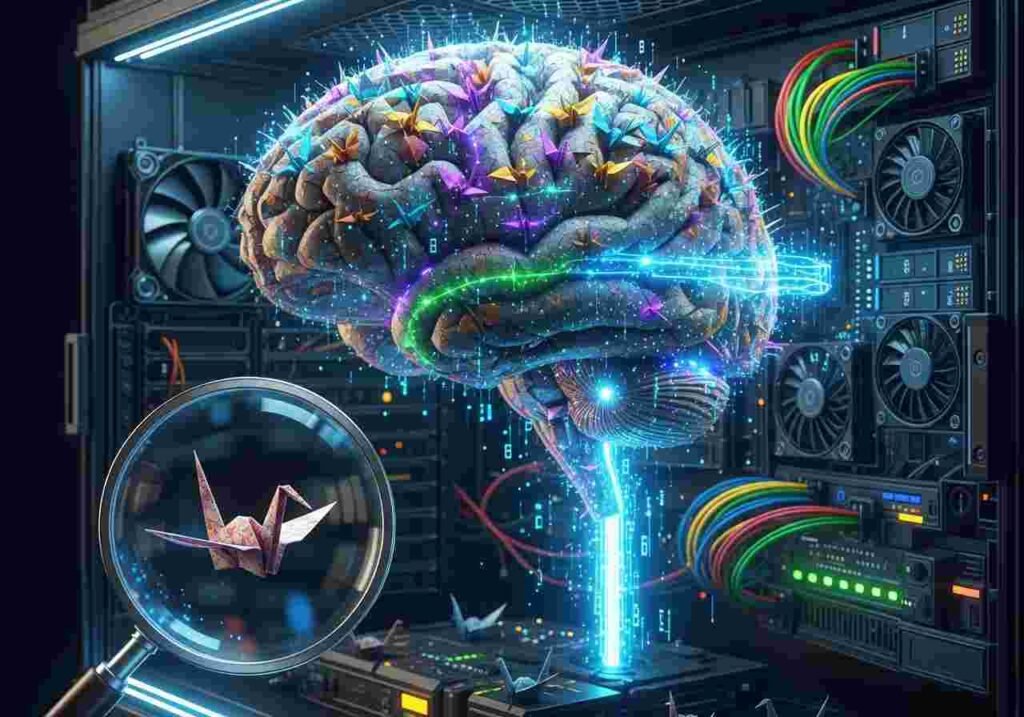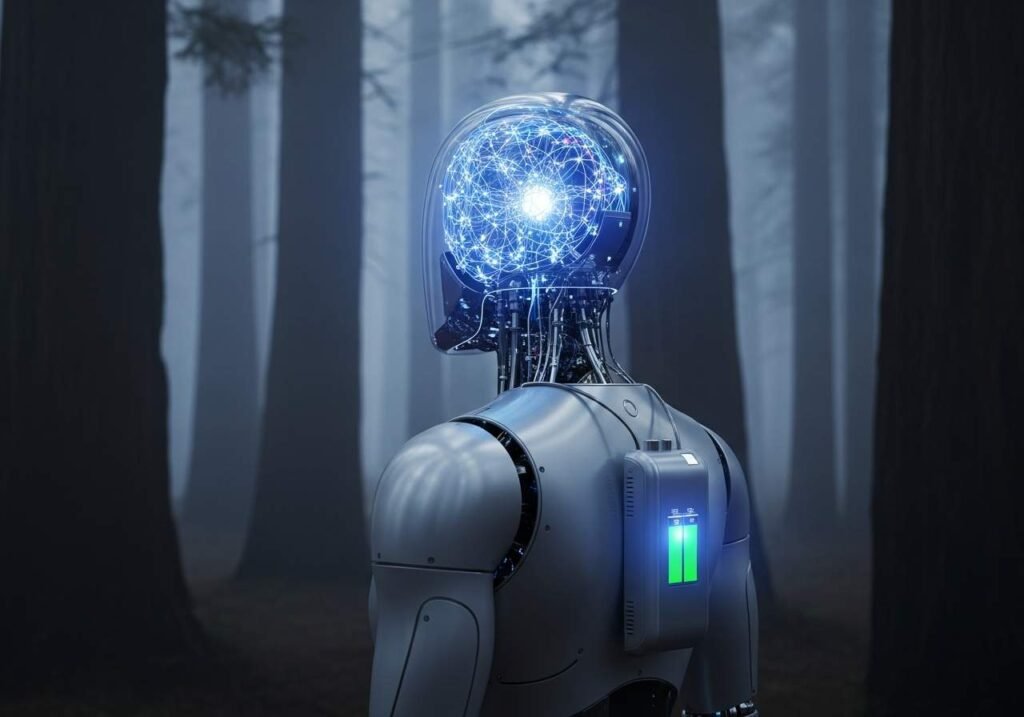


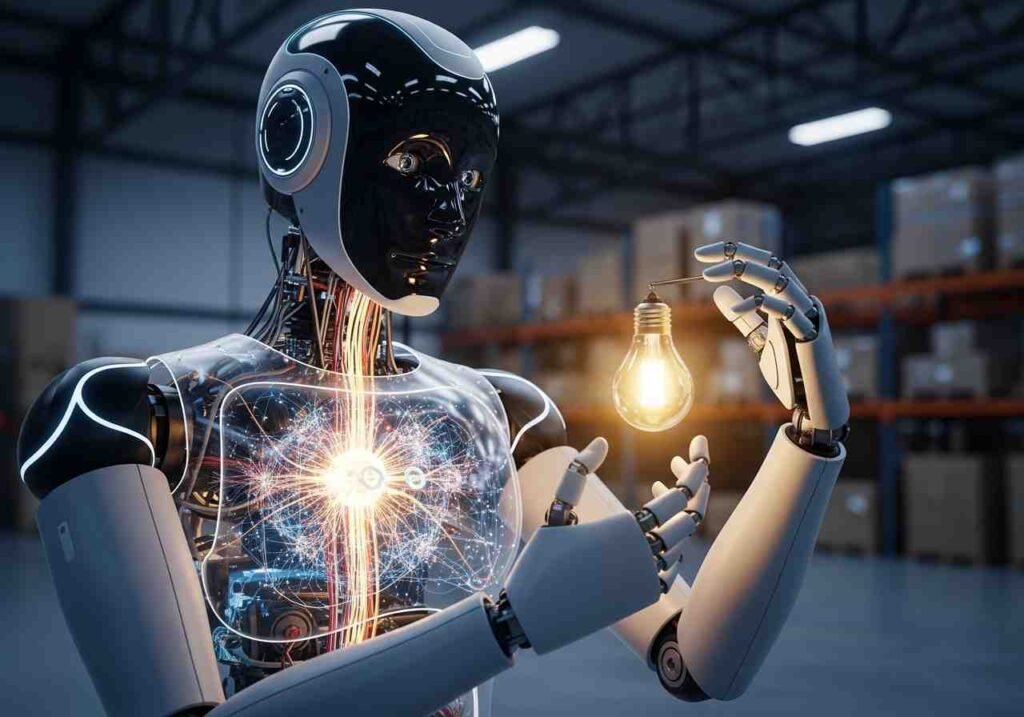
Believe that robotics will be all metallic and hydraulic in the future? Think again. It is the fight in the mind that counts, not the limbs. We are now seeing a paradigm shift in which the worth of a robot is no longer pegged in its physical form but it is determined by its computer brain. It is the age of software-defined machine.
Custom Hardware to Universal Platforms
Do you remember that all the factory robots were custom-made, one-million dollar creations? Those days are fading. In the modern world, some of the most important elements such as actuators and sensors are commoditized. More than ever, they are more reliable and affordable. This is standardization as its basis. It enables companies to work on a universal chassis. The competitive advantage thus must be obtained elsewhere. It is a product of the code which gives life to the machine.
We are experiencing a plateau in hardware. The physical form is turning out to be an unsolvable problem, says one of the lead engineers at a major robotics lab.
This shift is monumental. It transforms the business models to talent acquisition.
What Does Software-Defined Robot Mean?
Imagine buying a smartphone. The hardware is virtually identical in a year. However, its features are changing every month with the new applications and OS releases. A robot with software definition works on the same principle. It does not have a set factory functionality. Rather, it will be able to acquire new skills and learn new tasks just by updating software. Its best asset is this agility. It makes capital investments of huge scale future-proof.
This transforms a piece of equipment which is inert into a moving companion.
Platform War: Developing an Ecosystem
It is not the genius of selling a robot, but selling a platform. An example of this is Agility Robotics, which is not merely selling its Humanoid Robot, Digit. They are providing a mobile manipulation platform. The vision? It will have dedicated applications developed by partners. One day it can be unloading a truck. The following, it might train to organize packages, everything through new software modules.
A tech strategist notices that the worth of the asset in question is swinging towards the digital ecosystem that it facilitates.
This gives an effective network effect. A large competitive moat is a vibrant developer community. This means that the robot with the largest number of developers is the winner.
The AI and Machine Learning: The Engine of Change
What makes this all possible? The explosive progress in AI. We have demoted the tedious pre-programming to learning machines. There are methods such as reinforcement learning in simulation which can enable robots to learn tasks within a virtual world. Then they are able to transfer that knowledge as Neo began learning Kung Fu in The Matrix.
It is a game changer to AI Robotics
The time that a warehouse robot takes to code new layout does not require weeks of code anymore. It can adapt overnight. The final distinguishing ability is this learning ability. It divides the future generation of robots with the past.
An Experiment Case Study: Digit Experiment in the World
Let's make this concrete. Agility robotics collaborates with large logistics. They are not merely offering bodies of Humanoid Robot. The two are collaborating to come up with the AI that enables Digit to execute unforeseeable real world tasks. As an illustration, picking out strange shaped boxes. The physical hardware will not change. But its problem-solving intelligence is constantly enhanced, as it updates itself on the cloud. This makes a capital cost a dynamic asset.
The Software Update of the Business Model
This revolution transforms the selling of robots. Traditional model was a large, single and massive capital outlay. Robotics-as-a-Service (RaaS) is now replacing it. Firms do not purchase the robot, but subscribe to the results that it delivers. They are cash-based payers of what has been done or time spent in operation. This will also involve availability of the newest AI-driven features. Recent analysis shows that the RaaS market (around the world) is expected to skyrocket with more than 4.5 billion dollars potentially in 2028 compared to 1.8 billion dollars in 2023.
This gives a perfect fit in the incentive of the vendors and customers. When the robot works smarter everyone wins.
Steering through the New Challenges
Naturally, this new paradigm does not come in without its challenges. One of the security risks is an updatable connected machine. The cyberattack might go beyond theft of data to the physical damages. Moreover, the industry is in danger of war of fragmentation. Is there going to be proprietary platform war, just like the olden times of operating systems? The controlling company of the core software platform might have a lot of power. Such centralization has its own risks.
The Final Take: Your Future Co-worker Will Be given Updates
So, where does this leave us? The intelligence is being put into a physical shell of a robot. Data scientists and algorithm specialists will provide the most radical innovations. They are the architects of physical labor who are new. Do we have the ability to manage, secure and morally direct these learning machines? I believe strongly so: The firm that invests in the development of AI talent and a strong culture of software will eventually be on top of the next generation of AI Robotics. It is not a competition of who can create the most powerful robot, but the most intelligent.